Walk into any modern kitchen or bathroom and you will spot those familiar outlets with the little test and reset buttons. They’re called GFCIs, and they quietly do far more than most homeowners realize. When a client calls American Electric Co to ask why a breaker keeps tripping or what those buttons are for, we know the conversation isn’t just about convenience. It’s about preventing shocks that can stop a heart in under a second, and about wiring choices that separate a safe home from a risky one.
This isn’t marketing varnish. I’ve stood in basements with water creeping across the floor and watched a GFCI do exactly what it is designed to do: cut power fast enough to turn a dangerous moment into a non-event. I’ve also traced nuisance trips to a bad appliance cord or a worn extension on a jobsite. Both results came from the same principle, a small device noticing a small imbalance. Understanding what a GFCI sees, where it belongs, and how to live with it will save time, money, and in some cases, a life.
What a GFCI Actually Does
A ground-fault circuit interrupter constantly compares the current leaving the hot conductor with the current returning on the neutral. If it measures a difference as small as four to six milliamps, it assumes that current is going somewhere it shouldn’t. That “somewhere” could be through a damp 2-by-4, a puddle on a garage floor, or a person holding a metal appliance while touching a grounded sink. The device trips open in a fraction of a second, usually under 30 milliseconds, cutting the power before the current can do serious damage.
The speed matters. Traditional breakers protect wires from overheating by responding to sustained overcurrent. They don’t react quickly to tiny leakages that are lethal to people. A GFCI targets the human threshold, not the copper’s threshold. It doesn’t need a short circuit or an overload, just an imbalance between hot and neutral. That’s why your toaster can draw its normal 7 or 8 amps without trouble, but a few damp crumbs inside creating a leakage path will trip the outlet instantly.
Most GFCIs you’ll see at home are outlet type devices, recognizable by their test and reset buttons. There are also GFCI breakers that protect entire circuits at the panel, and faceless GFCI devices used inline to protect downstream receptacles without adding an extra faceplate. The function is the same across types, but the coverage and convenience differ.
Where GFCIs Belong, and Why Code Keeps Expanding That List
The National Electrical Code has steadily broadened GFCI requirements for one reason. The data show fewer shocks and fewer fatalities when people install them wherever water or ground contact is likely. The list started with bathrooms and outdoor receptacles decades ago. Now it includes kitchens, laundry areas, garages, basements, crawl spaces, boathouses, and a long roster of specific locations within those spaces. In many jurisdictions, any receptacle within six feet of a sink needs GFCI protection. Most outdoor outlets require it. The same goes for receptacles serving countertop surfaces.
At American Electric Co, we don’t argue with those expansions. We’ve replaced too many burned cords and seen too many garage freezers plugged into non-protected outlets next to wet concrete. There’s a pattern to the hazard. Water lowers skin resistance, concrete is conductive enough when damp, and people tend to carry metal appliances or tools in those areas. A device tuned to detect a few milliamps of leakage earns its keep every rainy week.
One point that surprises many homeowners: a single GFCI can protect multiple outlets downstream if wired correctly. That helps reduce cluttered walls and cost. But whether a daisy chain makes sense depends on what those downstream outlets serve. If one tool with a borderline cord keeps kicking the GFCI, you don’t want that trip to also cut power to a garage door opener or a fridge. An experienced American Electric Co electrician will map the load and decide whether to protect at the breaker, split the runs, or isolate sensitive loads.
The Life-Safety Numbers, Minus the Hype
Electrical shock severity depends on current, path, and time. Most people start to feel tingling at around 1 milliamp. Pain comes in the 5 to 10 milliamp range. The “let-go” threshold, when your hand muscles clamp and you can’t release a conductor, hovers around 10 to 20 milliamps for adults and can be lower for children. Ventricular fibrillation risk rises above 30 milliamps if the shock lasts long enough. GFCIs trip at around 5 milliamps by design, long before these thresholds are crossed for most people. That’s the heart of the matter. They turn a potential clamp-and-cannot-let-go incident into a brief jolt that startles but doesn’t disable.
It’s easy to think this only applies to kids with hair dryers near tubs or a careless move with a hedge trimmer. But I’ve seen seasoned tradespeople get nicked when a metal ladder brushed a poorly insulated cord on a damp site. The GFCI clicked and prevented what could have been a long fall and a spinal injury. The same physics protect someone barefoot in a laundry room, standing on a damp mat with a metal iron in hand.
Outlet GFCI vs Breaker GFCI: Picking Your Battles
Both options achieve ground fault protection, but they slot into different strategies. Outlet GFCIs work well for targeted areas like a bathroom or single outdoor receptacle. They’re easy to test, easy to replace, and cheap. When a device at the end of a circuit trips, you can reset it right there.
A GFCI breaker at the panel protects the entire circuit. That’s handy for basement or garage runs, unfinished spaces, or when multiple outlets and lights share a space where water or ground contact is likely. It also avoids a patchwork of GFCI outlets scattered around. The trade-off is troubleshooting. If you have a freezer on that garage circuit and a power tool upstream develops a ground fault, the breaker may trip and your freezer loses power too. You can solve this with dedicated circuits, careful labeling, or subpanels, but that takes planning.
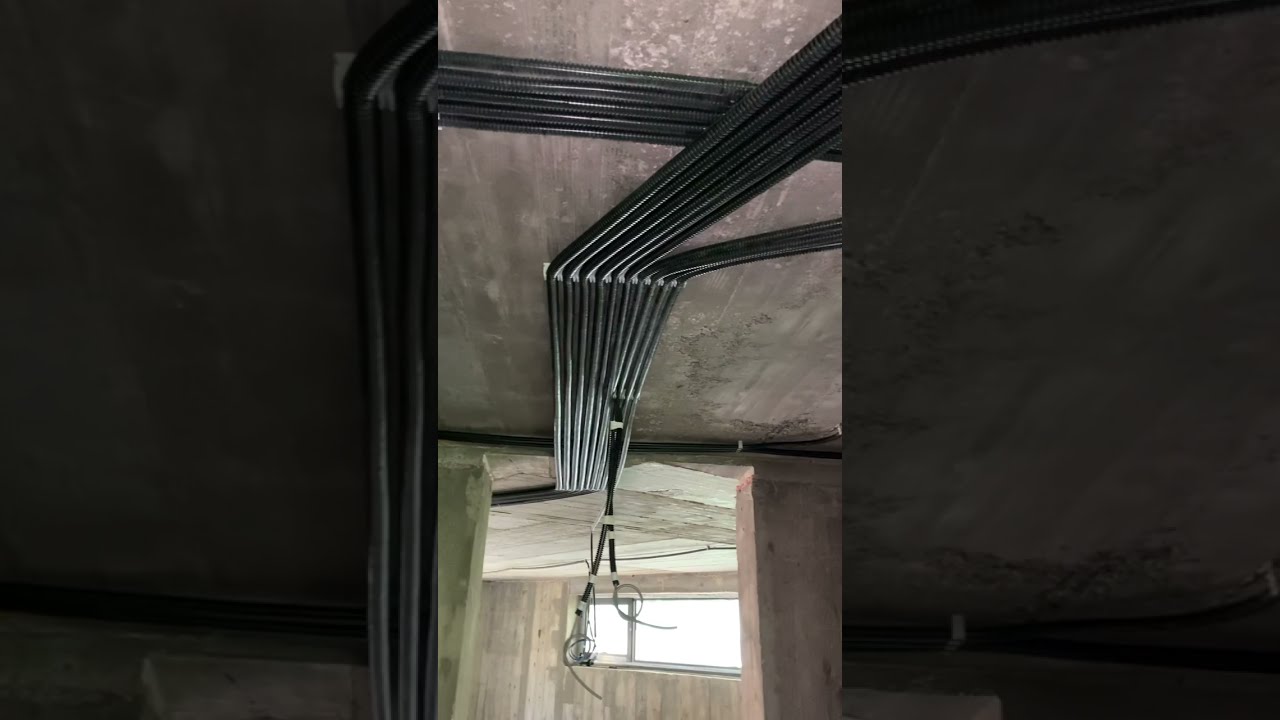
As an electrical contractor American Electric Co weighs a few questions every time: What’s the likely fault source? What loads must not lose power in an unnoticed trip? Who will be around to reset a device? Is there a rodent problem that might lead to chewed insulation and intermittent faults? Your answers steer the decision.
What Counts as a Nuisance Trip, and What Doesn’t
A GFCI can only see the math. It doesn’t know whether moisture seeped into an old power strip or if a brand new dehumidifier has leakage within spec. Some equipment, especially tools and appliances with built-in filters or large internal power supplies, inherently leak a tiny bit to ground. One device alone might sit under the threshold, but a handful running on the same protected circuit can add up and trip the device. That isn’t the GFCI being “overly sensitive.” It’s doing what it should in the face of cumulative leakage.
True nuisance trips do occur. Lightning surges, long cable runs near certain types of lighting controls, or marginal devices sitting on the edge can create momentary imbalances. We see this most often in older installations retrofitted with GFCI breakers on lengthy circuits that also have shared neutrals or bootlegged grounds. The fix is rarely to “downgrade” protection. It’s to resolve wiring issues, separate neutrals, shorten loops, or relocate protection to an outlet location where the wiring path is simpler.
When clients call American Electric Co because “the bathroom outlet keeps tripping,” our first steps are ordinary. We unplug everything. We dry the countertop and splash zones, then test the device with its own button. We check for downstream protection and see if other outlets went dead. We inspect cords for damage and look for signs of water intrusion in boxes. Most issues fall into one of three buckets: moisture, a failing device plugged into the receptacle, or wiring irregularities from past DIY work.
Don’t Confuse GFCI Protection with Equipment Grounding
A common myth says GFCIs require a ground to work. Not true. They measure the difference between hot and neutral. If an older two-wire circuit lacks a ground, a properly installed GFCI still protects you from ground faults. In fact, the code allows installing GFCI protection on ungrounded circuits as a recognized safety upgrade, with specific labeling. That said, no one at American Electric Co would call that the end of the job for an older house. A proper equipment grounding conductor adds layers of safety, improves surge protection, and reduces noise for electronics. The right way is to update both over time.
You can test for this by plugging a three-light outlet tester into a GFCI on an ungrounded circuit. It may show “open ground” even though the GFCI operates correctly and trips on its test button. The tester’s lights rely on a reference to ground, which isn’t present. This confuses homeowners and even some handymen. If in doubt, have a licensed American Electric Co electrician open the box and verify the wiring and labeling.
Kitchens, Bathrooms, and the Hidden Risks
Homeowners are often diligent about the obvious spots, the bathroom outlets near a sink or the wall beside a kitchen faucet. But I’ve seen just as much risk in places that feel safe. Inside a kitchen island, for example, a GFCI may sit on the face while a disposal and dishwasher share the circuit under the counter. A slow leak from a dishwasher line splashes onto a junction box once a month and corrodes a connection. Everything works most days, then the dishwasher cycle hits a surge and the GFCI trips. The consumer blames the dishwasher. The real problem is water and metal in a confined space.
Garages pose another everyday scenario. Many homeowners plug a second refrigerator into the nearest outlet. If that outlet sits on a GFCI protected run that also powers a workbench, the next time someone sands a damp board with an aging sander, the trip may go unnoticed for hours and the fridge gets warm. We suggest dedicated circuits for appliances with perishable contents. If that’s not practical, at least place the fridge on a protected but separate leg, and add a small audible power-loss alarm. They cost little and they’ve saved more than a few holiday dinners in our service area.
Laundry areas deserve respect too. Washing machines generate vibration and humidity. Water can wick into cords and outlets over time. People lean metal ironing boards against outlets. GFCI protection belongs there, and it should be paired with clean, tight connections and good cord management.
Outdoor and Damp Locations: Beyond the Obvious
Outdoors, a GFCI is only as reliable as the enclosure around it. I’ve opened plenty of “in-use” covers that weren’t actually shut tight. A sideways rain gets behind the gasket, or a contractor cut the siding too tight and the box can’t seat the cover correctly. Water creeps in, parties with dust, and starts the slow march of corrosion. Then a hedge trimmer with a hairline insulation nick shows up, current takes a path through that damp mess, and you get a trip.
We prefer quality in-use covers, proper gaskets, and boxes set flush to finished surfaces. If the outlet powers seasonal loads like holiday lighting, we recommend checking the cover screws and gaskets each fall. Simple habits, such as unplugging long extension cords when not in use, also cut down on small leakages that add up to trips.
Boathouses, dock receptacles, pool areas, and hot tub setups all demand a higher level of attention. Here the right choice is often a GFCI breaker combined with appropriately rated enclosures and bonding. Water plus salt plus sun ages materials faster than most homeowners expect. We set standby generator installation service calendar reminders for clients on waterfront properties to test and visually inspect these circuits every change of season.
Testing GFCIs Without Guesswork
The test button on a GFCI isn’t a decorative element. Pressing it introduces a small imbalance inside the device to confirm it opens. Pressing reset should restore the circuit with a firm click. That simple check, done monthly or at least a few times a year, has caught failing devices in our work before they mattered.

There’s a subtlety here. The device’s internal test proves the mechanism functions and is receiving power. A plug-in tester can add the second check, confirming that the downstream outlets are correctly wired and that the GFCI trips from actual leakage. Both have their place. If either test fails or feels mushy, replace the device. They are not expensive, and a good American Electric Co electrician can swap one in about the time it takes to brew a pot of coffee, assuming the box is correct and the wiring isn’t a rat’s nest.
When to Replace, Not Repair
Modern GFCIs are solid-state devices. Age, heat, moisture, and surges slowly degrade them. Manufacturers often recommend replacement after a decade, sometimes sooner in harsh environments. A GFCI that trips and won’t reset, or resets then trips with nothing plugged in, is telling you something. Don’t force it. Don’t tape it. Replace it.
We audit them during service calls. If we’re replacing a light fixture in a kitchen and notice an outlet GFCI with sun-yellowed plastic and a wobbly reset button, we bring it up. Clients appreciate it when we point out whether an outlet is older than the AFCI era or lacks the self-test feature newer models have. If the budget is tight, we prioritize locations near water, then outdoor, then garages and basements.
GFCIs, AFCIs, and Dual-Function Devices
Arc-fault circuit interrupters detect arcing patterns that can lead to fire, not ground faults that lead to shock. They belong in bedrooms, living areas, and many general circuits to reduce fire risk from damaged cords or nails through wires behind walls. Dual-function breakers combine both. Do you always need dual protection? Not always. In some remodels, a GFCI at the countertop and an AFCI breaker serving the branch circuit satisfy both safety goals. In other cases, a dual-function breaker is cleaner.
The trick is avoiding overlap that causes headaches. For example, stacking a GFCI breaker feeding GFCI outlets gives you two devices that can trip for the same underlying issue. Troubleshooting becomes a guessing game. We tend to pick one point of protection for each branch unless the code requires otherwise. Planning with an electrical contractor American Electric Co can save return trips and callbacks later.
Renovations and Historic Homes: Making Safety Fit the House
Old plaster walls and shallow metal boxes don’t always welcome modern devices. I’ve opened hundred-year-old boxes that leave barely enough room for conductors, much less a bulky GFCI. Jamming one in can pinch insulation or lead to a faceplate that doesn’t sit flush. On those jobs we often choose a GFCI breaker or a faceless GFCI mounted where there’s space, then run a standard receptacle at the point of use. The label must state “GFCI protected” and “No equipment ground” where applicable, and the wiring must be correct. Done right, the house keeps its bones while gaining modern protection.
Aluminum branch circuits from the 60s and 70s present another wrinkle. They require special terminations and an eye on any device change. We do not simply slap in a GFCI outlet and call it a day. We evaluate the whole run, check devices for AL listings or apply approved pigtail methods, and verify torque. Shortcuts main panel upgrade here cause hot connections, which lead to arcing and fires. The GFCI does not prevent that kind of failure.
Common Mistakes We Fix Weekly
A short list of repeat offenders shows up on service calls everywhere. We see reversed line and load on GFCI outlets, which leaves downstream outlets unprotected and confuses test results. We find bootleg grounds where someone tied neutral to ground on a receptacle to “fake” a ground, a dangerous and prohibited trick that defeats the point of GFCI protection and can energize metal parts. We bump into multiple GFCIs in series, breakers feeding outlet devices, that create false trails for troubleshooting. And we encounter outdoor outlets without proper covers or gaskets, which behave until the first storm.

Most of these errors start with good intentions. A homeowner tries to be safe, buys a GFCI at a big box store, and spends a Saturday wrestling it into place. If you go that route, slow down and read the line and load markings closely. If the box is crowded or the conductors are brittle, stop and call a pro. A twenty-minute save now beats a melted splice later.
The Cost of Getting It Right, and Why It’s Worth It
A good outlet-type GFCI runs in the range of 15 to 40 dollars depending on brand and features. A GFCI breaker costs more, usually between 40 and 120 dollars. Labor varies with access, box condition, and the age of the installation. A straightforward swap in a modern plastic box can take half an hour. A retrofit in a shallow metal box with cloth-insulated conductors can take much longer. Even so, the total cost to bring key areas into compliance and add protection often lands well under what most families spend on a single appliance, and the protection persists through years of use.
There is also the matter of insurance and inspection. Home sales often trigger required upgrades. Inspectors call out missing GFCIs near sinks or on exterior receptacles. Buyers expect to see those reset buttons in the right places. Bringing an older home up to current code for GFCI coverage is a fast way to remove inspection punch-list items and demonstrate the house has been cared for.
How to Live with GFCIs Day to Day
A few simple habits stretch the life of your devices and reduce aggravation.
- Test GFCIs every few months using the built-in button, then reset with a firm push. If they feel spongy, replace them. Keep cords and power strips out of splash zones. In kitchens, loop slack under the counter rather than across a wet surface. Label what each protected outlet serves and which device resets it. When something trips, you’ll know where to go. Avoid daisy-chaining extension cords and multi-taps on GFCI circuits. Each added leakage source nudges the balance toward a trip. For freezers or sump pumps, consider dedicated circuits and power-loss alarms so a trip doesn’t spoil food or flood a basement.
We install plenty of these alarms in garages and utility rooms. They give a loud chirp when power drops, the kind that gets you moving even at midnight. That small accessory changes a random nuisance trip from a $300 grocery loss into a minor interruption.
When to Call American Electric Co
If an outlet trips immediately with nothing plugged in, or if pressing reset does nothing, the device may be failing or there may be a wiring fault. If multiple outlets go out and none show a reset button, the protection may be at the breaker or at a hidden upstream device. If you see signs of water in an outlet box, hear sizzling, smell ozone, or notice heat at a faceplate, cut power and bring in a pro. An American Electric Co electrician will track the fault, replace failing devices, and correct wiring problems the right way. We carry quality devices on the truck, know the local code updates, and can usually restore safe service in a single visit.
We also help plan upgrades. Maybe you’re remodeling a kitchen and want clean backsplash lines without a forest of outlets. We might use a combination of under-cabinet receptacles, a GFCI breaker, and careful circuit routing. Maybe you’re finishing a basement and adding a bar sink and a home gym. We’ll map the spacing, decide where GFCI protection belongs, and ensure lighting stays on if a treadmill trips an outlet. Safety blends with everyday usability. That balance is the craft.
The Quiet Work of a Small Device
GFCIs reduce risk by doing math faster than a heartbeat. They don’t look heroic or high-tech. They sit there, waiting, for years. Until the day a splash, a nicked cord, or a damp floor lines up the wrong way. Then they flip, you mutter about a trip, and life goes on. I’ll take that trade every time.
If you’re unsure whether your home is fully protected, or you’re dealing with repeated trips and need an experienced eye, American Electric Co is ready to help. We’ve seen what works, what fails slowly, and what fails fast. We know when to use a GFCI outlet, when to protect at the panel, and when to reorganize circuits so one bad tool doesn’t take your fridge with it. Safety and convenience can coexist. It just takes a bit of attention and a few smart choices, guided by someone who spends their days thinking about electricity so you don’t have to.
American Electric Co
26378 Ruether Ave, Santa Clarita, CA 91350
(888) 441-9606
Visit Website
American Electric Co keeps Los Angeles County homes powered, safe, and future-ready. As licensed electricians, we specialize in main panel upgrades, smart panel installations, and dedicated circuits that ensure your electrical system is built to handle today’s demands—and tomorrow’s. Whether it’s upgrading your outdated panel in Malibu, wiring dedicated circuits for high-demand appliances in Pasadena, or installing a smart panel that gives you real-time control in Burbank, our team delivers expertise you can trust (and, yes, the occasional dad-level electrical joke). From standby generator systems that keep the lights on during California outages to precision panel work that prevents overloads and flickering lights, we make sure your home has the backbone it needs. Electrical issues aren’t just inconvenient—they can feel downright scary. That’s why we’re just a call away, bringing clarity, safety, and dependable power to every service call.