Flickering lights seem harmless until they aren’t. They distract you at dinner, turn a relaxing night into an annoyance, and in some cases hint at a problem that can scorch a receptacle or damage a refrigerator compressor. At American Electric Co, we treat flicker like a symptom, not the disease. The light is only telling you that something upstream is unstable. The real work is finding where that instability lives, whether in a lamp, a dimmer, a branch circuit, the panel, or the utility feed.
This is a walk-through of how an American Electric Co electrician approaches flickering lights in real homes and commercial spaces. The goal is not just to replace a switch and call it fixed, but to diagnose with enough certainty that the problem stays solved.
Why flicker deserves attention
Most flicker falls into two categories. There is nuisance flicker from driver incompatibility or loose bulbs, and there is system-level flicker from voltage drop, bad neutrals, or overloaded conductors. The first category wastes your time. The second can be dangerous. We have opened panels where a neutral lug looked fine from the front yet a quarter turn on the torque screwdriver stopped months of light pulsing and reset flicker alerts in smart devices. We have also seen melted backstabs behind a kitchen receptacle that fed a dining room chandelier, with the plastic brown and brittle from heat cycling. Left alone, that kind of resistance can arc.
The stakes are not theoretical. LEDs are particularly sensitive to voltage instability and harmonic noise. A poor connection that an incandescent glossed over will make an LED strobe like a club light. Sensitive electronics can suffer, and motors on the same circuit, from a bathroom fan to a wine cooler, live a shorter life.
First contact: questions that narrow the field
Good troubleshooting starts before anyone touches a tool. When someone calls American Electric Co about flickering, we ask questions that map the problem quickly.
We start with when the flicker happens. All the time suggests a persistent issue. Only when the HVAC starts points to a startup load sag. Only on dim, or when you turn on a certain switch, suggests a control or compatibility issue. We ask whether multiple fixtures flicker together, and if so, whether they are on the same breaker. If half the home flickers, the issue can be on one leg of a split-phase service.
We ask about recent changes. A new LED bulb, a smart dimmer, added recessed lights, or a recent panel upgrade can introduce incompatibilities or loose terminations. We ask about the age of the home and panel brand. Certain panels, especially older designs, have known failure patterns like weak stab connections or bus bar hotspots. Finally, we ask if there are burning smells, warm switches, or discoloration. Those are stop signs. If we hear “I smell something electrical” the visit shifts from routine to urgent.
Those questions save time on site and often shape the first tools we bring into the house. If the story hints at a service-neutral issue, we put a clamp meter, line monitor, and torque set at the top of the bag.
Safety and setup before the first test
An American Electric Co electrician starts with basics that protect both occupants and equipment. We test the tester on a known live source, then verify at the suspect fixture or switch. We check that the panel directory roughly matches reality. We note any double-lugged breakers, oversized fuses, scorched neutrals, or corrosion. If the complaint includes intermittent dimming across multiple circuits, we prepare to measure the service legs under load.
It is tempting to skip to the easy fix, such as swapping bulbs. In many cases we do start with the bulb, but not before a quick look at the panel and a listen. A buzzing neutral bus, sporadic arc sounds, or a breaker warmer than its neighbors tells us to slow down and investigate upstream.
The fast eliminations: bulbs, sockets, and dimmer compatibility
We like clean wins. Many flicker calls resolve with these quick checks, and if they don’t, they still collect useful clues.
We first check lamp seating and socket tension. A bulb that is a half turn loose in an older Edison socket will strobe with every vibration from a closing door. We remove the bulb, inspect the base for signs of overheating, and look at the center contact spring in the socket. If it is flattened, a gentle lift with a nonconductive tool can restore proper pressure. If there is pitting or heat damage, the socket gets replaced, not adjusted.
We swap in a known-good bulb from our test kit. The kit includes a couple of high-quality dimmable LEDs, a non-dimmable LED, and a classic 60 W incandescent or halogen. If the incandescent holds steady and the LED flickers, we suspect a driver or control incompatibility. If both flicker, the issue lives upstream.
We confirm the dimmer type. Many walls still have triac dimmers meant for incandescent loads. They work by chopping the sine wave, which some LED drivers hate. Even “LED compatible” dimmers have minimum load requirements and limited compatibility lists. We take a photo of the dimmer model, check its rating, and read the connected load. A six-pack of 6 W cans might be too little for a dimmer that wants a minimum of 25 W, and that can cause shimmer and dropout.
If the dimmer is the culprit, the fix is simple. We replace it with a low-end trim adjustable dimmer designed for LEDs, or a smart dimmer tested with the specific lamp brand. We set the low-end with lights on, then cycle loads in the room to make sure the dim holds even when a microwave or fan starts.
Moving upstream: switches, splices, and backstabs
If lamps and dimmers don’t end it, we open the boxes. Years of fieldwork have taught us that the most suspicious words in residential wiring are “backstabbed receptacle.” The spring contacts in those push-in terminals lose tension with heat and time. On multi-outlet runs, we often find a loose backstab feeding the next device down the line. That can cause intermittent voltage drop and flicker in a fixture that appears unrelated.
We pull the switch or receptacle, inspect the conductors for discoloration, and check every wirenut for firm twist and correct size. Aluminum-to-copper pigtails get extra attention, and if we find them, we verify the right antioxidant compound and connectors rated for AL-CU. Where we see mixed metals without standby generator installation service proper connectors, we correct it. Aluminum runs are not inherently unsafe if handled correctly, but sloppy splices create heat and noise that LEDs expose immediately.
Shallow boxes packed with multiple splices can hide a loose neutral, the classic flicker maker. Unlike a hot conductor, which might trip a breaker when it shorts, a loose neutral just wanders. It can deliver odd symptoms like one room brightening when another room’s load changes. We reterminate neutrals with fresh copper exposed, correct strip lengths, and new connectors. If a box is undersized by code for conductor fill, we recommend replacement with a deeper box to eliminate strain on splices.
Circuit-level checks: voltage stability under load
Once devices check out, we look at the circuit behavior with instruments. A typical test uses a multimeter or line monitor on the lighting circuit while introducing a known load on the same leg. The method is simple. We clip a meter at the fixture or switch, turn on a vacuum or space heater on the same circuit, and watch the voltage. A healthy branch might dip a volt or two on a sudden load. If we see swings of 4 to 7 volts, especially if paired with a warm connection somewhere, we chase that drop until we find the weak point.
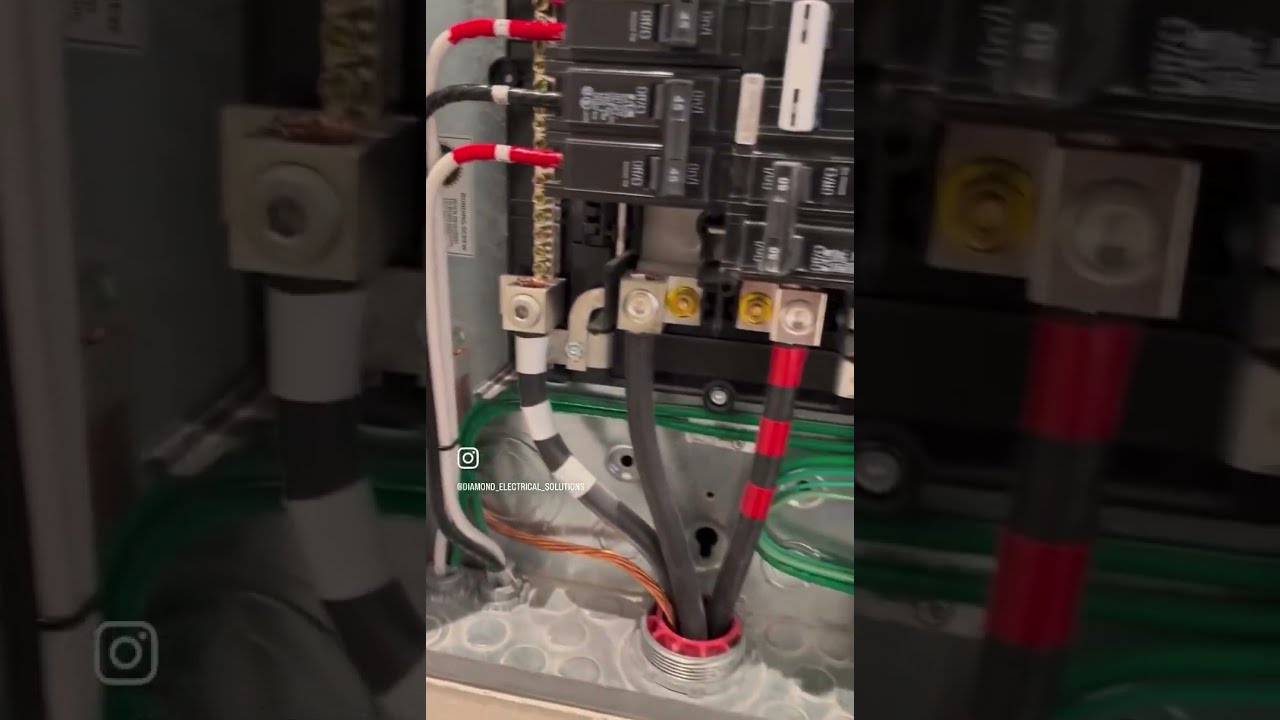
We also measure at the panel. If the branch sags but the panel remains stable, the issue is within the run, not the service. If both sag together, we broaden our view to the feeder, main lugs, or the service drop.
On commercial calls, we use a data-logging power quality meter when the flicker is elusive. Some customers report that the lights flutter only at 10 a.m. on Tuesdays. That may correlate to an elevator or a rooftop unit cycling. A 24 to 72 hour log can reveal repetitive dips or harmonic distortion that matches equipment activity.
Panel and service: neutral integrity, loose lugs, and utility issues
When multiple rooms pulse together, or when half the home brightens while the other half dims, we suspect a neutral issue in the feeder or service. In a split-phase system, the two 120 V legs share a neutral. If that neutral connection loosens, loads on american electric co electrician each leg push and pull against each other. The result looks spooky: turn on a hair dryer and the office lights across the home get brighter.
We remove panel covers only with proper PPE and method. We visually inspect the bus for discoloration, scoring, or arcing. We check breaker fit on the bus stabs. We torque main lugs, feeder lugs, and branch neutrals to specification. It is rare to find every lug correctly torqued, especially after years of thermal cycling. A quarter turn on a neutral lug can fix chronic flicker without a single device change inside the home.
If the panel is sound but leg voltages at the main fluctuate together under modest load, we step outside. Overhead service drops suffer from wind and corrosion. Underground laterals can develop faults. We coordinate with the utility and provide our measurements. Utilities appreciate clear data and will typically dispatch to tighten weatherhead connections or replace a bad crimp if we demonstrate leg imbalance or a floating neutral at the point of attachment.
In older homes, we also look at meter bases. Corroded jaws or weak spring tension can introduce intermittent voltage sag that shows up as flicker. Where the meter base is owner-owned, we replace it. If it is utility-owned, we document and escalate.
Lighting controls and smart homes: the hidden interactions
Modern controls add new failure modes. Smart dimmers leak a small current through the load to power themselves, which some LED drivers don’t tolerate. If a homeowner tells us the flicker started after a smart switch install, we check whether the device has a neutral connection. Many no-neutral smart switches rely on trickle current through the lamp. With low-wattage LED loads, that trickle can become visible flicker at low dim levels. The fix is to use a model that requires a neutral or add a load resistor designed by the manufacturer.
We also look for multi-location dimming setups. Two smart dimmers fighting in a three-way circuit can create pulse trains on the line. Only one dimmer should control the actual dimming, with the other set to companion mode. In our experience, mixing brands in a multi-way often works poorly, even if the packaging suggests compatibility.
In commercial spaces with 0 to 10 volt dimming, flicker can come from control wiring run too close to line voltage, or from a miswired polarity on the control pair. LED drivers are picky about their control inputs. We verify that the low-voltage control circuit is isolated, correctly terminated, and at the correct resistance range when dimmers are at minimum and maximum. A crushed conduit or shared neutral on control circuits can induce noise that looks like flicker.
Special cases we see often
A few recurring patterns make up a large slice of flicker calls.
Kitchen chandeliers tied to counter receptacles: Remodels sometimes loop the dining light through the small-appliance circuit. That circuit sees toasters and coffee makers that drop voltage when they kick on. The chandelier flickers when the toaster cycles. The cure is to move the chandelier to the lighting circuit or give it a dedicated feed.
Recessed retrofit LEDs on old triac dimmers: Those cheap retrofit trims look good on paper but behave poorly on dimmers that chop the waveform. The result is shimmer at low dim. Swapping to an ELV dimmer or a quality LED-rated dimmer with adjustable low-end usually fixes it. We keep a short list of lamp and dimmer pairs that play nice together because we have tried them in dozens of homes.
Loose neutral in a multiwire branch circuit: Shared neutral circuits, common in kitchens and older homes, require handle-tied breakers and a solid neutral splice. If the neutral splice loosens in a junction box, you get dramatic cross-leg flicker when appliances cycle. We identify these by measuring between hots in the box. If we see 240 volts between two hots that share a neutral, we confirm the handle tie and fix the neutral splice.

Generator or UPS interactions: Standby generators with older transfer switches can create a brief flicker during exercise runs. Some inverters output a modified sine wave that certain LED drivers do not like. We verify exercise schedules and adjust the lighting loads on circuits that transfer. With UPS units, we look for square-wave outputs and advise a pure sine model if lighting flicker or audio noise becomes an issue.
Tenant improvements with mixed ballast and driver types: In offices that migrated from fluorescent to LED in phases, we sometimes see flicker from emergency circuits, old dimming ballasts, and new LED drivers sharing control wiring. We map the circuits, isolate control types, and standardize drivers across a zone to stabilize light levels.
The measurement mindset: prove it before you leave
Good electricians develop a feel for a fix. Still, American Electric Co emphasizes proof. If we tighten a neutral and the lights steady, we want numbers that show what changed. We measure leg voltages at rest and under load, record before-and-after dimmer low-end performance, and check temperature on repaired connections with a non-contact thermometer. In some homes, we leave a small plug-in monitor for a day to confirm that voltage stays within the expected band. That data helps if we need the utility to step in later, and it builds confidence for homeowners who have lived with the problem for months.
Repair standards that hold over time
Flicker is often the first symptom of loose or marginal connections, so we do not accept halfway fixes. If a backstab is bad, we move all conductors to the screw terminals and pigtail where appropriate. If a wirenut is undersized or full of scorched strands, we strip back to bright copper and start over with a properly sized connector. We use anti-oxidant on aluminum, torque every lug we touch, and replace devices that show heat stress. We have no interest in being back in six months to redo a temporary patch.
When we replace dimmers, we choose models with adjustable trim, clear documentation, and strong manufacturer support. In kitchens and family rooms where lighting mood matters, we test with the homeowner present so they can see the low-end dim and confirm that the fade rates feel natural.
Cost, time, and how we set expectations
Not every flicker call is a quick fix. Many are, and those resolve in under an hour with a dimmer swap or a tightened splice. When we suspect a panel or service issue, the visit can stretch longer, especially if coordination with the utility is required. We tell customers what we know, what we think, and what we need to find out. If a power quality log will save guesswork, we explain why, and we apply the cost of logging toward the repair.
Material costs are often low compared to the time. A quality LED dimmer might run a few dozen dollars, a new device and box upgrade a bit more. Panel work, especially on older equipment, can cascade if we find heat damage. We show photos, explain options, and never swap a breaker brand that the panel does not list simply to save a trip. Code and safety come first.
Preventive habits that keep lights steady
The best time to fix a flicker is before it starts. During panel service, American Electric Co pros torque-check all lugs and label circuits accurately. On remodels, we separate lighting and receptacle loads where practical and avoid backstabs entirely. We spec dimmers by brand and model with the fixtures, not by generic “LED rated” labels. In older homes, we recommend a neutral bar cleanup and fresh pigtails when we see crowded bars with decades of additions.
Homeowners can help too. When adding smart controls, pick reputable brands and pair them with lamps the manufacturer has tested. If a light begins to shimmer after a new appliance install, say so. That timing can cut an hour from diagnosis.
A few real-world snapshots
A craftsman bungalow had a dining pendant that fluttered for years. Three electricians swapped bulbs and dimmers. Our tech noticed the flutter worsened when the dishwasher ran. We traced the light feed through a junction in a basement ceiling can where a neutral splice had only a few strands biting under a wirenut. The cap looked fine. Under load, it heated, expanded, and loosened. We respliced with a proper connector and the flicker disappeared. Cost to fix was modest, relief was immediate.
In a 1980s office, entire rows of troffers would pulse every two minutes. Maintenance blamed the utility. Our logger showed a repeating 5 volt dip on one phase tied perfectly to a 15-ton rooftop unit’s soft start. We opened the RTU panel and found a loose lug on the contactor line side, darkened from heat. Once tightened and the contactor replaced, the lighting settled and the building’s other complaints, including random printer resets, vanished.
A new build with all-LED lighting had chronic shimmer at 10 percent dim. The builder used triac dimmers specced for LEDs, but the trims had drivers that behaved better with reverse-phase dimming. We swapped in ELV dimmers with low-end adjustment. It took 90 minutes to change six controls and tune them. The homeowner could finally watch a movie without feeling seasick.
What sets an American Electric Co electrician apart on this issue
Flicker is a small symptom with a long tail. The difference between swapping a part and solving the system is the difference between a handyman and a seasoned electrician. The American Electric Co approach favors disciplined testing, clean workmanship, and honest communication. We carry the right meters, keep track of what combinations of lamps and controls behave, and respect that today’s lighting is more electronics than filament. That mindset turns a frustrating, intermittent problem into a solved one that stays solved.
If your lights are dancing, even a little, it is worth a look. A quick adjustment might calm them. And if the problem hides deeper, an electrical contractor American Electric Co can trace it back to the source, document it, and repair it the right way.
American Electric Co
26378 Ruether Ave, Santa Clarita, CA 91350
(888) 441-9606
Visit Website
American Electric Co keeps Los Angeles County homes powered, safe, and future-ready. As licensed electricians, we specialize in main panel upgrades, smart panel installations, and dedicated circuits that ensure your electrical system is built to handle today’s demands—and tomorrow’s. Whether it’s upgrading your outdated panel in Malibu, wiring dedicated circuits for high-demand appliances in Pasadena, or installing a smart panel that gives you real-time control in Burbank, our team delivers expertise you can trust (and, yes, the occasional dad-level electrical joke). From standby generator systems that keep the lights on during California outages to precision panel work that prevents overloads and flickering lights, we make sure your home has the backbone it needs. Electrical issues aren’t just inconvenient—they can feel downright scary. That’s why we’re just a call away, bringing clarity, safety, and dependable power to every service call.